
Ensuring Secure Transfers in Domain Name Transactions
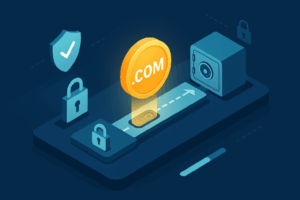
In the realm of domain name investing, securely transferring domain names between parties is a critical aspect of the transaction process. Whether you are buying, selling, or simply moving domains between registrars, ensuring the safety and integrity of the transfer is paramount. For part-time domain investors, who may not deal with these processes daily, understanding the steps and precautions involved in a safe domain transfer can prevent potential issues such as loss of domain control, unauthorized access, or disputes.
The first step in a secure domain name transfer is to verify the current ownership and ensure that the domain is eligible for transfer. This involves checking the domain’s WHOIS data to confirm the registrant information and ensure that the domain is not locked. Domains that are locked cannot be transferred until they are unlocked by the current registrar. This lock serves as a security measure to prevent unauthorized transfers. As the seller, you should unlock the domain only when you are ready to initiate the transfer. Additionally, ensure that the domain is not within the 60-day lock period following a recent registration or previous transfer, as this period restricts transfers to another registrar.
I need to discuss the domain I own!
Once the domain is unlocked and eligible for transfer, obtaining the Authorization Code (Auth Code) or EPP Code from the current registrar is crucial. This code is a unique identifier used to authenticate the transfer request. It’s essential to keep this code secure and share it only with the intended buyer or the new registrar. If you’re purchasing a domain, request the Auth Code from the seller and ensure that it matches the one provided by the current registrar. This step prevents unauthorized individuals from initiating the transfer process.
During the transfer process, using a reputable domain escrow service is highly recommended, especially for high-value domains or transactions involving parties who do not know each other. An escrow service acts as a neutral third party, holding the buyer’s payment until the domain transfer is confirmed. This service ensures that both the buyer and seller fulfill their respective obligations—releasing the funds only when the domain has been successfully transferred to the buyer’s control. This layer of protection reduces the risk of fraud and provides peace of mind to both parties.
For the actual transfer, both the current and receiving registrars play a significant role. As the seller, after providing the Auth Code to the buyer, you should also ensure that your registrar has approved the transfer. The buyer will initiate the transfer request with their registrar, who will then communicate with the seller’s registrar to confirm the transfer. This process often involves both email verification and confirmation from both parties. It is crucial to monitor your email for transfer confirmation requests from your registrar and respond promptly to avoid delays or complications.
Another important aspect of a secure transfer is updating the WHOIS information. After the transfer is complete, the new owner should update the WHOIS records to reflect their ownership and contact information. This step not only helps in maintaining accurate records but also serves as a protective measure against potential disputes. Accurate WHOIS data ensures that the new owner has verifiable proof of ownership, which can be critical if the domain’s ownership is ever contested.
Additionally, consider enabling domain privacy protection if it is not already in place. Privacy protection services mask personal information in the WHOIS records, helping to protect the owner’s identity and contact details from being publicly accessible. This can reduce the risk of spam, identity theft, and other malicious activities targeting domain owners.
Throughout the transfer process, communication between the buyer and seller is key. Clear and timely communication helps address any issues that may arise, such as discrepancies in the transfer details or delays in authorization. Both parties should be proactive in following up with their respective registrars and ensuring that all steps are completed as required.
In conclusion, transferring domain names securely involves a series of careful steps and precautions, from verifying eligibility and obtaining the necessary codes to using escrow services and updating WHOIS records. For part-time domain investors, these measures are essential in protecting their investments and ensuring smooth transactions. By following best practices and maintaining open communication, investors can mitigate risks and ensure that domain transfers are handled efficiently and securely.
News Blog Posts:
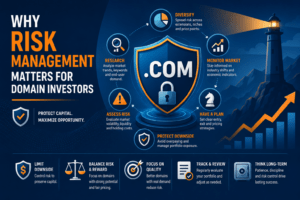 Why Risk Management Matters for Domain Investors
In the world of domain investing, opportunities are vast, competition is fierce, and the line between long-term profitability and financial strain is often determined by the presence or absence of a
 Domain Auctions: The Move from Private Deals to Public Bidding Wars
In the early domain name market, transactions were quiet affairs. Deals happened behind closed doors, initiated through direct outreach, personal networks, or a simple inquiry email sent to a domain
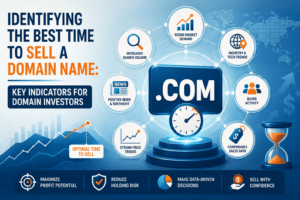 Identifying the Best Time to Sell a Domain Name: Key Indicators for Domain Investors
Knowing the best time to sell a domain name is one of the most critical decisions a domain investor can make. Timing is everything in domain investing, as market conditions, buyer demand, and trends
 The Impact of Technology Trends on Domain Investing
The landscape of full-time domain investing is profoundly influenced by technology trends, shaping both the strategies employed by investors and the value of the domains themselves. As technology