
Using Marketplaces vs Private Brokerage to Sell High-Value Domains
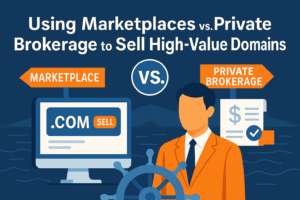
For domain investors seeking to maximize revenue, especially those working within the constraints of a limited budget, deciding how to sell high-value domains can be one of the most strategic choices they make. The difference between using public marketplaces and private brokerage is not merely about where a sale takes place, but about control, visibility, cost efficiency, and the type of buyer each method attracts. Selling a high-value domain successfully requires balancing exposure with negotiation finesse, and understanding the trade-offs between these two approaches can mean the difference between a quick transaction at a discount and a premium deal that fully realizes the asset’s potential. Each method—marketplaces and private brokerage—serves a distinct function within the ecosystem of domain trading, and knowing when and how to use each is critical for maximizing both profit and reputation in the long run.
Marketplaces have long been the default avenue for most domain investors because they provide immediate exposure and accessibility. For a low-budget investor, they offer infrastructure, trust, and reach that would be impossible to replicate independently. Platforms like Afternic, Sedo, Dan, and GoDaddy Auctions attract millions of visitors each month, ranging from small business owners to corporate brand managers. This built-in audience dramatically increases the odds that a potential buyer will discover a listed domain, particularly when it is priced competitively and accompanied by clear, concise sales language. The visibility marketplaces offer is their greatest advantage—they act as digital storefronts open to the entire world. A single listing can appear across multiple partner networks, ensuring that when someone types the domain into their browser or searches for similar keywords, the “for sale” message is displayed instantly.
I need to discuss the domain I own!
However, this exposure comes with trade-offs. Marketplaces are crowded environments where thousands of sellers compete for attention, often driving prices downward as buyers have easy access to comparable options. This commoditization effect can make it difficult to stand out, especially for investors without portfolios of premium one-word .coms or strong brandables. Additionally, marketplaces charge commissions that range from 10 percent to as high as 25 percent of the sale price, eating into profits that matter greatly to smaller investors. For example, a $10,000 domain sale on a platform charging 20 percent means $2,000 in lost earnings before even considering renewal costs or previous acquisition expenses. For high-value domains, this commission difference alone can justify exploring alternative methods such as private brokerage.
Another limitation of marketplaces lies in the transactional nature of the environment. Buyers browsing listings tend to be more price-sensitive, and communication between seller and buyer is often filtered or restricted by the platform. Negotiations are simplified for convenience but lack the nuance and personalization that can elevate a deal. Automated offers, fixed-price listings, and instant purchase options cater to speed rather than maximizing sale value. For premium assets—domains that could reasonably fetch five or six figures—such a structure can suppress potential. Many high-end buyers, particularly corporations or venture-backed startups, prefer discretion and personal communication before making significant purchases. These clients are less likely to submit public offers or engage through impersonal interfaces. For them, the presence of a professional intermediary or private outreach feels safer and more aligned with their expectations of business negotiation.
Private brokerage offers a starkly different dynamic. Instead of relying on marketplace exposure, this method revolves around targeted outreach, personalized negotiation, and relationship-driven sales. A domain broker, whether independent or part of a specialized agency, functions as a representative for the seller—researching potential buyers, initiating contact, and managing communication from inquiry to closing. For high-value domains, this level of attention can unlock opportunities that would never surface in a public listing. Corporations often avoid making visible domain acquisitions to prevent price inflation or competitive awareness. A skilled broker can discreetly approach decision-makers at companies that align with the domain’s industry and brand potential, pitching it as a strategic acquisition rather than a speculative purchase. This kind of engagement frequently results in higher sale prices, as it focuses on the domain’s intrinsic branding value rather than its market listing price.
The main advantage of private brokerage for monetization lies in negotiation control and positioning. Unlike marketplaces, where the price is fixed or semi-flexible through automated offers, brokers craft bespoke narratives around the domain’s value. They highlight its keyword strength, SEO potential, market relevance, and previous comparable sales to justify premium pricing. Furthermore, they understand buyer psychology and can adjust tone, pacing, and framing depending on the client’s background—an approach that is nearly impossible to replicate in a public auction. High-value buyers often respond better to reasoning grounded in business outcomes rather than emotional appeals, and experienced brokers know how to present a domain as an investment that solves real commercial problems, such as improving brand recognition or reducing advertising costs.
Yet private brokerage also carries its own limitations, particularly for low-budget investors. Most reputable brokers operate on commission and focus only on domains they believe can realistically sell within a premium range. It is rare for a broker to accept representation for domains valued under $10,000, and even when they do, the commission rates can range from 15 percent to 30 percent. For smaller investors, this creates a paradox: the domains that could benefit most from professional representation may not be lucrative enough to attract a broker’s attention. Additionally, brokerage requires patience. While marketplaces can deliver occasional fast sales, private deals often take months of outreach, follow-up, and negotiation. For investors dependent on quick liquidity, this slower pace can be challenging.
Despite these obstacles, many low-budget investors find hybrid approaches effective. Listing a domain publicly at a fixed price while simultaneously conducting private outreach can capture both passive and active opportunities. For instance, an investor might list a domain such as LegalExperts.com on Sedo for visibility while also contacting law firms and marketing agencies directly through personalized emails. The listing establishes legitimacy, while the private conversations allow flexibility in negotiation and pricing. In some cases, the presence of a public listing even creates psychological leverage, as brokers or sellers can reference ongoing exposure to justify firm pricing during private talks.
Trust and credibility are crucial factors influencing the success of both methods. Marketplaces provide built-in transactional trust through escrow integration, verified ownership, and buyer protection. This structure reassures corporate buyers wary of fraud. Private brokerage, on the other hand, relies heavily on individual reputation. A broker with a track record of successful six-figure deals and established industry relationships can close sales faster because their name carries weight. For independent investors handling their own outreach, this trust must be built through professional presentation—using a clean, branded email address, clear sales materials, and credible payment options such as Escrow.com. Many high-value buyers dismiss inquiries that appear informal or unverified, so attention to detail in communication becomes as valuable as the domain itself.
Exposure also varies drastically between the two methods. Marketplaces generate global reach but limited targeting; brokers offer precision but less volume. A domain like FinTechConsulting.com might attract hundreds of casual inquiries on a marketplace, but a skilled broker could present it directly to the five companies most likely to benefit from it. The question becomes whether the investor values speed or maximum price. Marketplaces favor liquidity—quick sales at market average rates—while brokerage prioritizes premium outcomes. For investors building long-term wealth, the latter approach often yields better overall returns, as a single high-value sale can finance dozens of future acquisitions. Conversely, those seeking consistent cash flow may prefer the steady turnover of marketplace transactions.
Pricing strategy further differentiates the two. Marketplaces encourage transparent pricing or automated negotiations, where buyers can instantly see list prices or make incremental offers. This works well for mid-tier names but can weaken leverage for premium assets. In brokerage settings, pricing is flexible and often undisclosed, allowing the broker to adapt based on the buyer’s interest level and financial capability. For instance, a broker might initially position a domain at a high five-figure price and gradually adjust the narrative based on the buyer’s responses. This human-led flexibility often leads to outcomes that automated systems cannot replicate. However, it requires a deep understanding of value perception and buyer psychology—skills that take time and experience to develop.
Commissions and fees are another consideration. While both marketplaces and brokers take a share of the final sale, the structure differs. Marketplaces deduct commissions automatically but handle all logistics, including transfer and escrow. Brokers, meanwhile, may charge higher percentages but often provide white-glove service, including outbound marketing and buyer qualification. For small investors, the challenge is finding a balance between convenience and cost. One common tactic is to use marketplaces for lower-priced domains, where automation saves time, and reserve brokerage efforts for higher-value assets where human negotiation can add meaningful value.
Brand control also plays a subtle but significant role in this decision. Marketplaces standardize presentation—every listing looks similar, reducing individuality. In contrast, private brokerage allows the seller to craft a brand story around their domain. A well-written outreach email or dedicated landing page can transform a simple name into a perceived premium property. For example, instead of listing FinanceNetwork.com with a generic description, a broker or self-representing investor could create a short brand brief highlighting its potential as a financial media hub or fintech advisory brand. This storytelling approach turns an abstract asset into a vision buyers can imagine owning.
Ultimately, the decision between using marketplaces and private brokerage depends on the investor’s goals, resources, and tolerance for risk. Marketplaces deliver speed, convenience, and exposure, making them ideal for maintaining liquidity and handling a broad portfolio efficiently. Private brokerage, on the other hand, offers precision, discretion, and the potential for significantly higher returns on select assets. For low-budget investors, learning to navigate both channels strategically—using marketplaces for baseline visibility while cultivating direct relationships with brokers and end users—creates a flexible, resilient sales strategy.
The highest-performing domain investors are rarely confined to one method. They understand that marketplaces create discovery while private brokerage creates persuasion. A marketplace can bring a potential buyer to the door, but a broker—or a skilled investor acting as one—can turn that interest into a premium sale. By mastering both environments and knowing when to transition from one to the other, even low-budget investors can elevate their results from small, transactional gains to large, transformative profits. In the end, domain monetization is not just about selling names; it is about controlling narrative, channel, and timing. Choosing between marketplace and brokerage is not a matter of preference but of strategic alignment—understanding where the domain’s true value will be most effectively recognized and rewarded.
News Blog Posts:
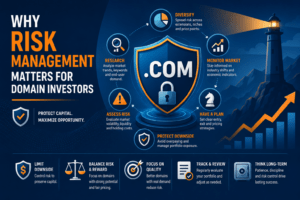 Why Risk Management Matters for Domain Investors
In the world of domain investing, opportunities are vast, competition is fierce, and the line between long-term profitability and financial strain is often determined by the presence or absence of a
 Domain Auctions: The Move from Private Deals to Public Bidding Wars
In the early domain name market, transactions were quiet affairs. Deals happened behind closed doors, initiated through direct outreach, personal networks, or a simple inquiry email sent to a domain
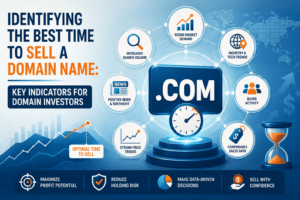 Identifying the Best Time to Sell a Domain Name: Key Indicators for Domain Investors
Knowing the best time to sell a domain name is one of the most critical decisions a domain investor can make. Timing is everything in domain investing, as market conditions, buyer demand, and trends
 The Impact of Technology Trends on Domain Investing
The landscape of full-time domain investing is profoundly influenced by technology trends, shaping both the strategies employed by investors and the value of the domains themselves. As technology