
The Role of Brokers in Six-Figure Domain Sales

In the world of high-value digital assets, six-figure domain name sales represent a unique segment of the marketplace where brand equity, negotiation skill, and insider expertise converge. These transactions often involve domains that are not only premium in nature—short, memorable, generic, or category-defining—but also strategically important to the buyer’s long-term digital strategy. Whether the domain is a one-word .com like Identity.com, a powerful two-word brand like CreditCards.com, or a geo-focused asset such as MiamiHotels.com, deals of this magnitude rarely happen spontaneously. Behind many of these transactions is a skilled domain broker, whose role is pivotal in navigating the complexities of the deal, identifying the right buyer or seller, protecting confidentiality, and maximizing the sale price.
Domain brokers act as intermediaries between domain owners and prospective buyers. In the context of six-figure sales, these brokers are more than just facilitators—they are advisors, negotiators, and strategists. Their deep understanding of domain valuation, market demand, buyer behavior, and negotiation tactics enables them to create outcomes that would be difficult for individual owners to achieve on their own. Many premium domain owners, especially those with no prior experience selling domains, may not understand the true market value of what they own or how to connect with serious buyers willing to pay six figures. Brokers bridge that gap by leveraging their networks, data insights, and industry reputation to position the domain correctly and initiate high-level conversations.
I need to discuss the domain I own!
One of the most important functions of a domain broker is price guidance. Determining the fair market value of a six-figure domain involves more than referencing historical sales data. It requires analysis of industry trends, comparable sales, search engine performance, type-in traffic, and brand potential. A domain like SolarPower.com, for example, would command a significantly different price if sold to a local solar panel installer than if sold to a multinational energy conglomerate. Brokers understand how to tailor pricing strategies based on the buyer’s profile, timing, and perceived need. They also know how to navigate the balance between asking too much—scaring off serious buyers—and asking too little—leaving substantial money on the table.
Confidentiality is another area where brokers play an essential role. High-value domain transactions often involve companies planning new product launches, mergers, or rebrands. Disclosing interest in a particular domain could tip off competitors or create public speculation. Brokers act as a buffer, ensuring that the identity of the buyer or seller remains protected during the negotiation process. They can reach out to targets on a no-names basis, solicit offers discreetly, and manage communication channels in a way that preserves strategic anonymity until the deal is ready to be finalized.
The negotiation process itself is where experienced brokers add immense value. Six-figure sales are rarely straightforward. Buyers may push for financing, lease-to-own structures, performance milestones, or other contingencies. Sellers may be emotionally attached to the domain, have unrealistic expectations, or be unsure about the timing of the sale. Brokers bring objectivity and professionalism to the table, helping both parties stay focused on the deal’s strategic value rather than personal biases or emotional responses. They understand how to frame the domain’s potential in ways that resonate with a buyer’s vision while simultaneously reinforcing the value to the seller.
Another critical aspect of the broker’s role is outreach. For domains not actively listed for sale, brokers must conduct proactive outreach to identify and contact suitable end users who could benefit from acquiring the domain. This involves research, tailored messaging, and persistent follow-up to engage decision-makers, often at the C-suite or marketing director level. For listed domains, brokers may utilize industry connections, marketplace partnerships, and media exposure to attract premium buyers. They may also coordinate with domain marketplaces, such as Sedo, Uniregistry, or GoDaddy, to feature the domain prominently in curated portfolios aimed at serious investors or enterprises.
Transaction management is another vital service offered by brokers. Six-figure deals involve substantial sums of money and carry inherent risks. Brokers coordinate with trusted escrow services to ensure that funds are securely transferred and that domains are properly moved between accounts. They also help draft or review purchase agreements, especially when deal structures include payment plans, trademark rights, or revenue-sharing components. This attention to transactional detail minimizes legal risk and helps ensure that the deal closes smoothly for both parties.
For their work, brokers typically earn a commission, often between 10% and 20% of the final sale price, depending on the complexity of the sale and whether the broker is representing the buyer, the seller, or both. While this may seem high relative to traditional sales industries, the value they bring in brokering six-figure domain deals justifies the investment. A skilled broker may be able to increase a domain’s sale price by tens of thousands of dollars—or more—through strategic positioning, proper timing, and effective negotiation.
Some of the industry’s most well-known domain brokers, such as Andrew Rosener, Jeff Gabriel, and Kate Buckley, have been responsible for dozens of six- and seven-figure sales, and their reputations are built not just on results but also on the discretion, ethics, and professionalism with which they handle high-value transactions. Their success underscores the importance of domain literacy in the broader digital economy and illustrates how expert guidance can elevate a domain from a passive digital asset to a strategic and lucrative property.
In the increasingly competitive and brand-driven landscape of online business, domain names are among the most potent tools a company can possess. The role of brokers in six-figure domain sales is indispensable, not only in executing the transaction but in maximizing its value, protecting the interests of the parties involved, and ensuring a seamless, secure, and strategically sound outcome. Whether you’re a domain owner sitting on a premium asset or a business looking to acquire the perfect digital identity, working with an experienced broker can make all the difference between a missed opportunity and a transformative deal.
News Blog Posts:
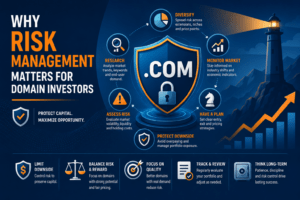 Why Risk Management Matters for Domain Investors
In the world of domain investing, opportunities are vast, competition is fierce, and the line between long-term profitability and financial strain is often determined by the presence or absence of a
 Domain Auctions: The Move from Private Deals to Public Bidding Wars
In the early domain name market, transactions were quiet affairs. Deals happened behind closed doors, initiated through direct outreach, personal networks, or a simple inquiry email sent to a domain
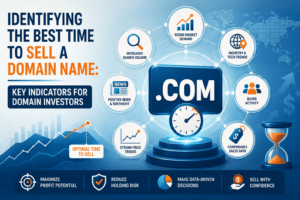 Identifying the Best Time to Sell a Domain Name: Key Indicators for Domain Investors
Knowing the best time to sell a domain name is one of the most critical decisions a domain investor can make. Timing is everything in domain investing, as market conditions, buyer demand, and trends
 The Impact of Technology Trends on Domain Investing
The landscape of full-time domain investing is profoundly influenced by technology trends, shaping both the strategies employed by investors and the value of the domains themselves. As technology